Accumulative Reduction
Installation / Code / Video
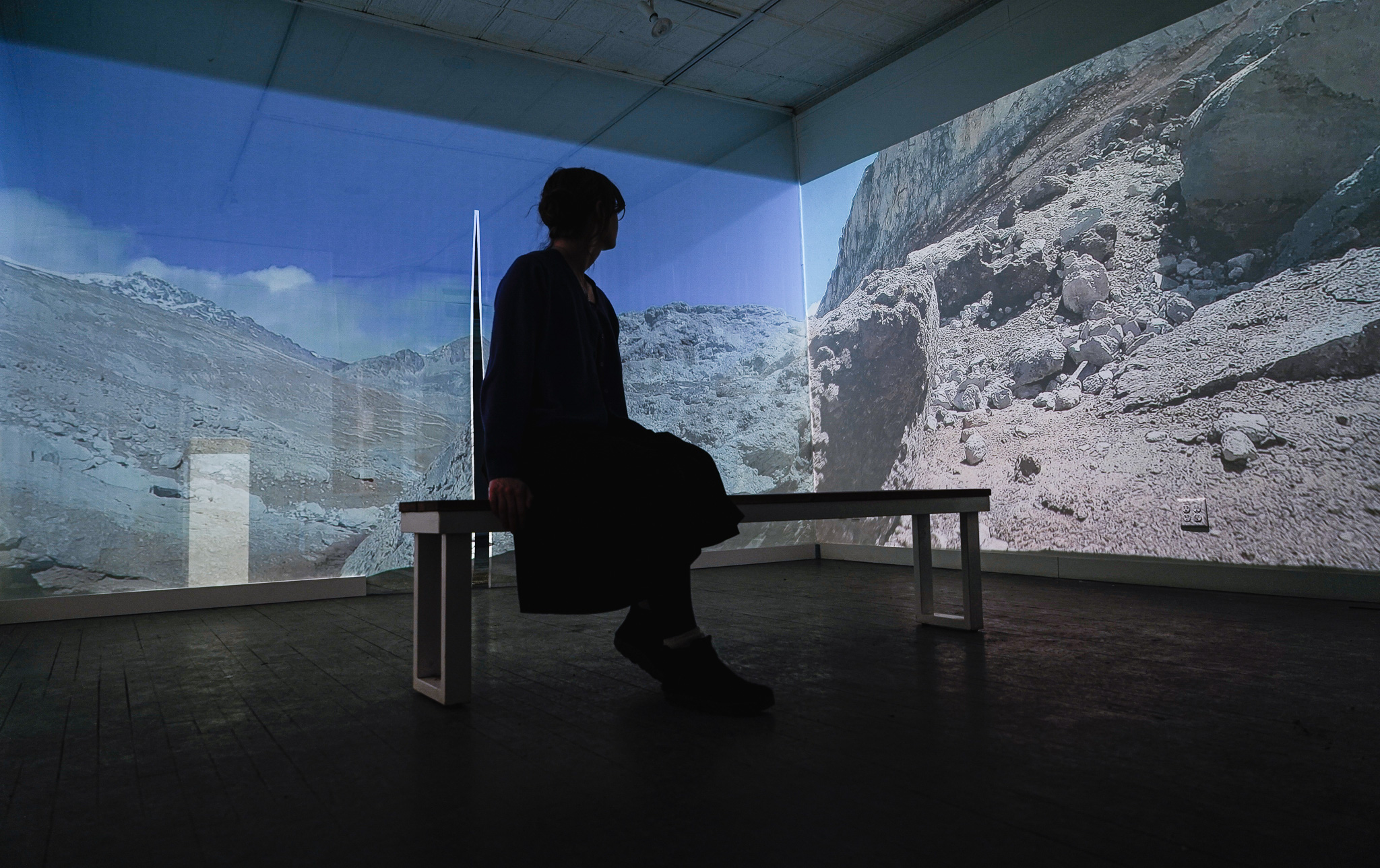
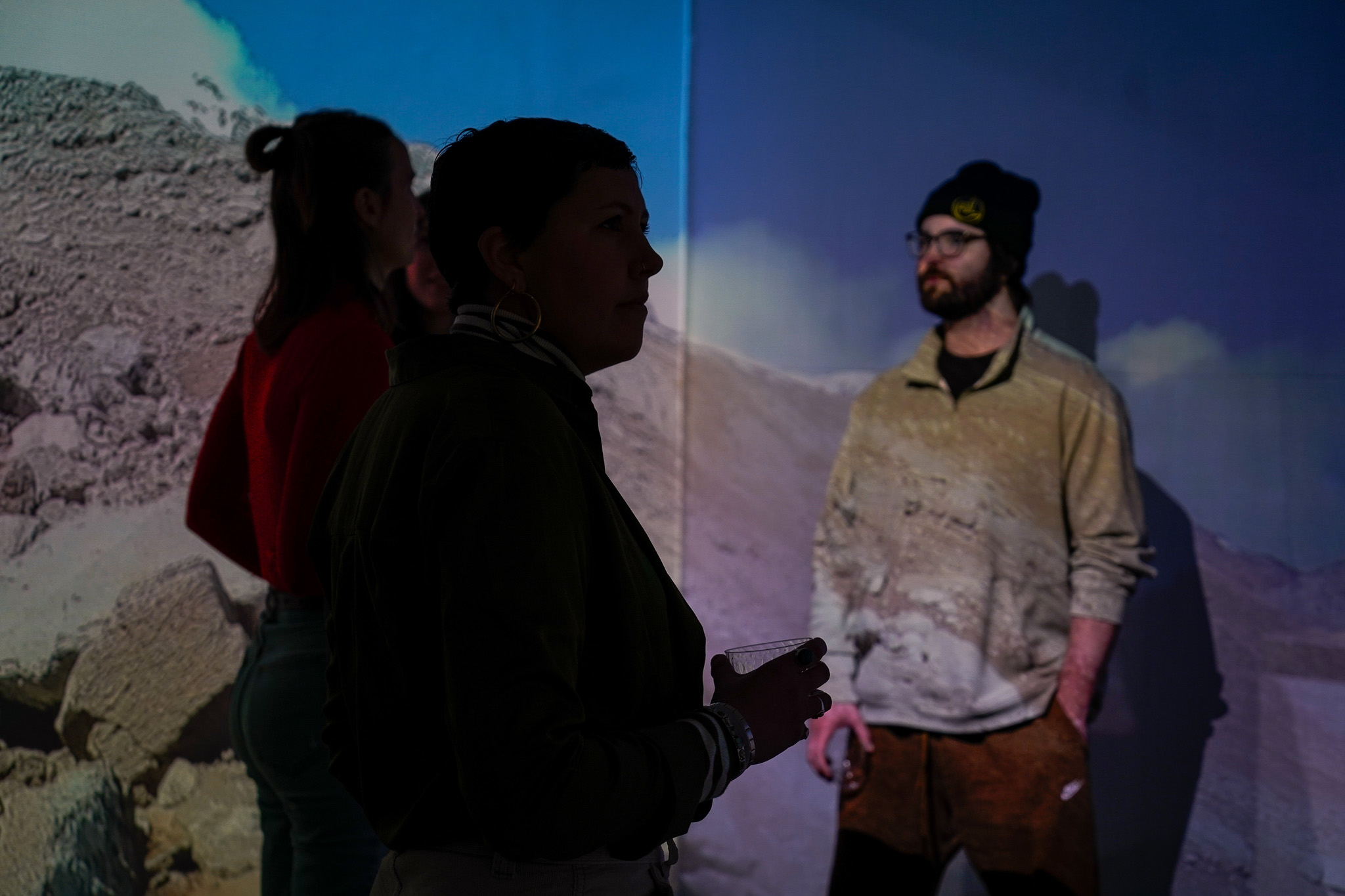
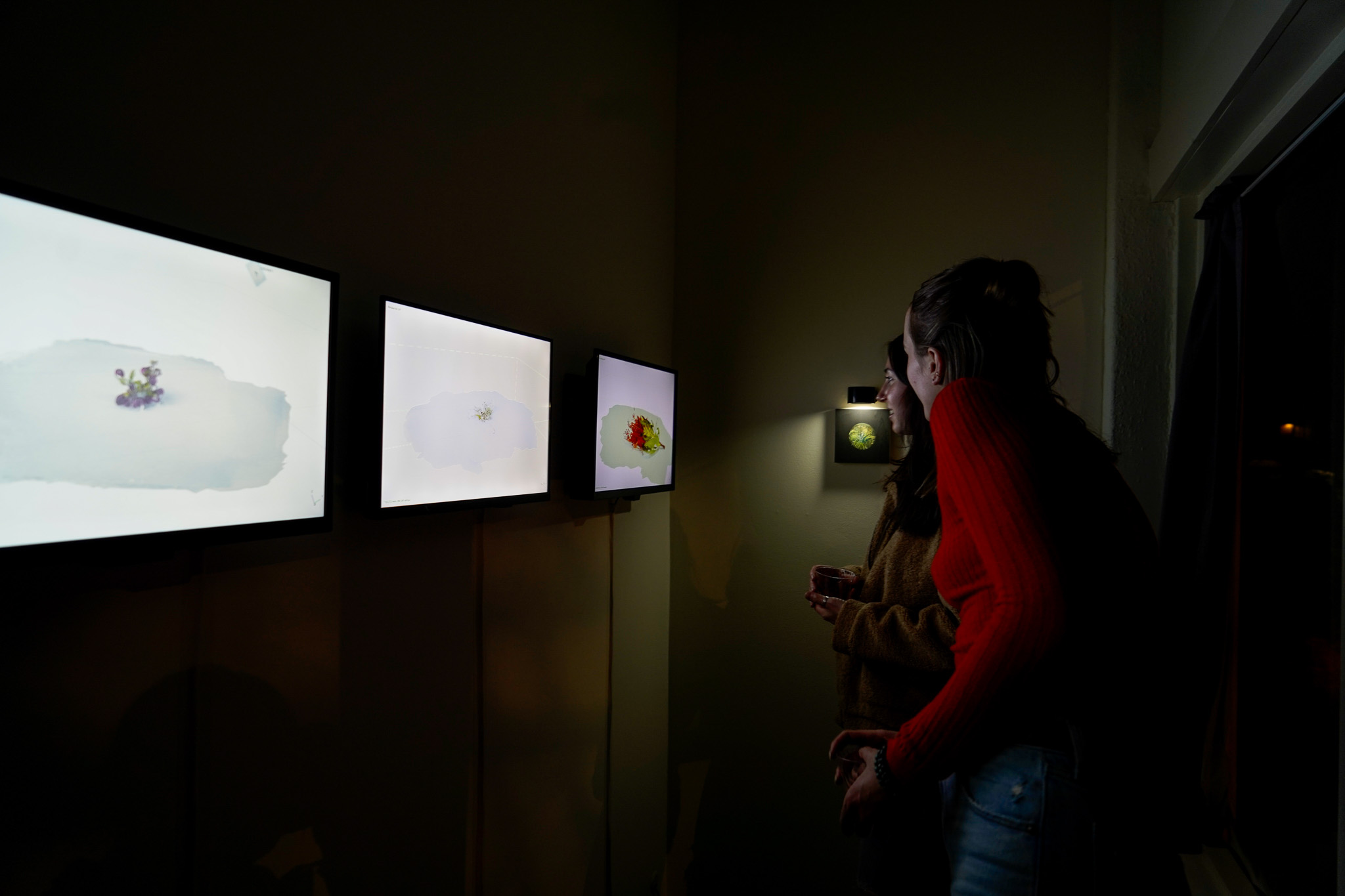
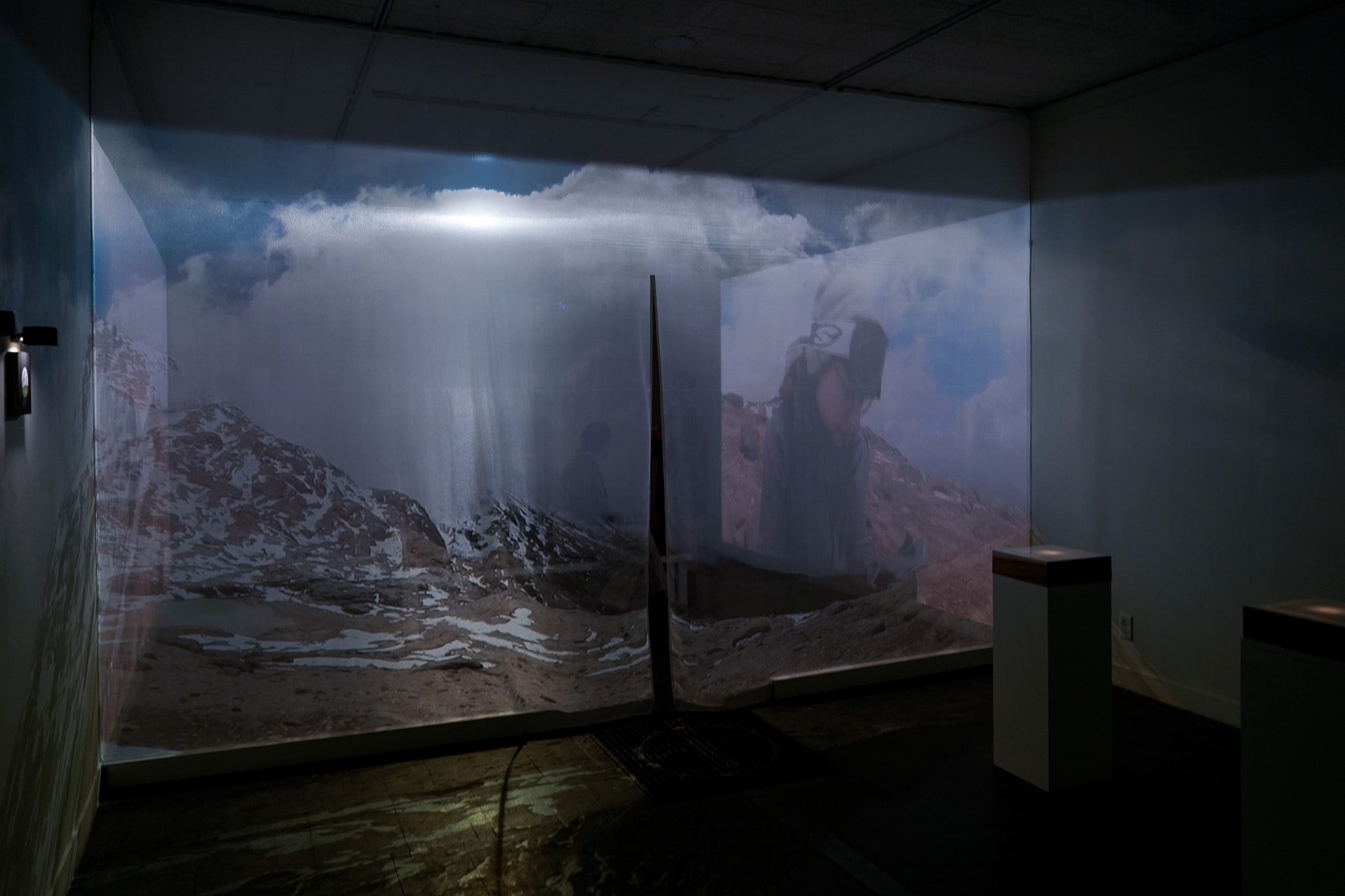
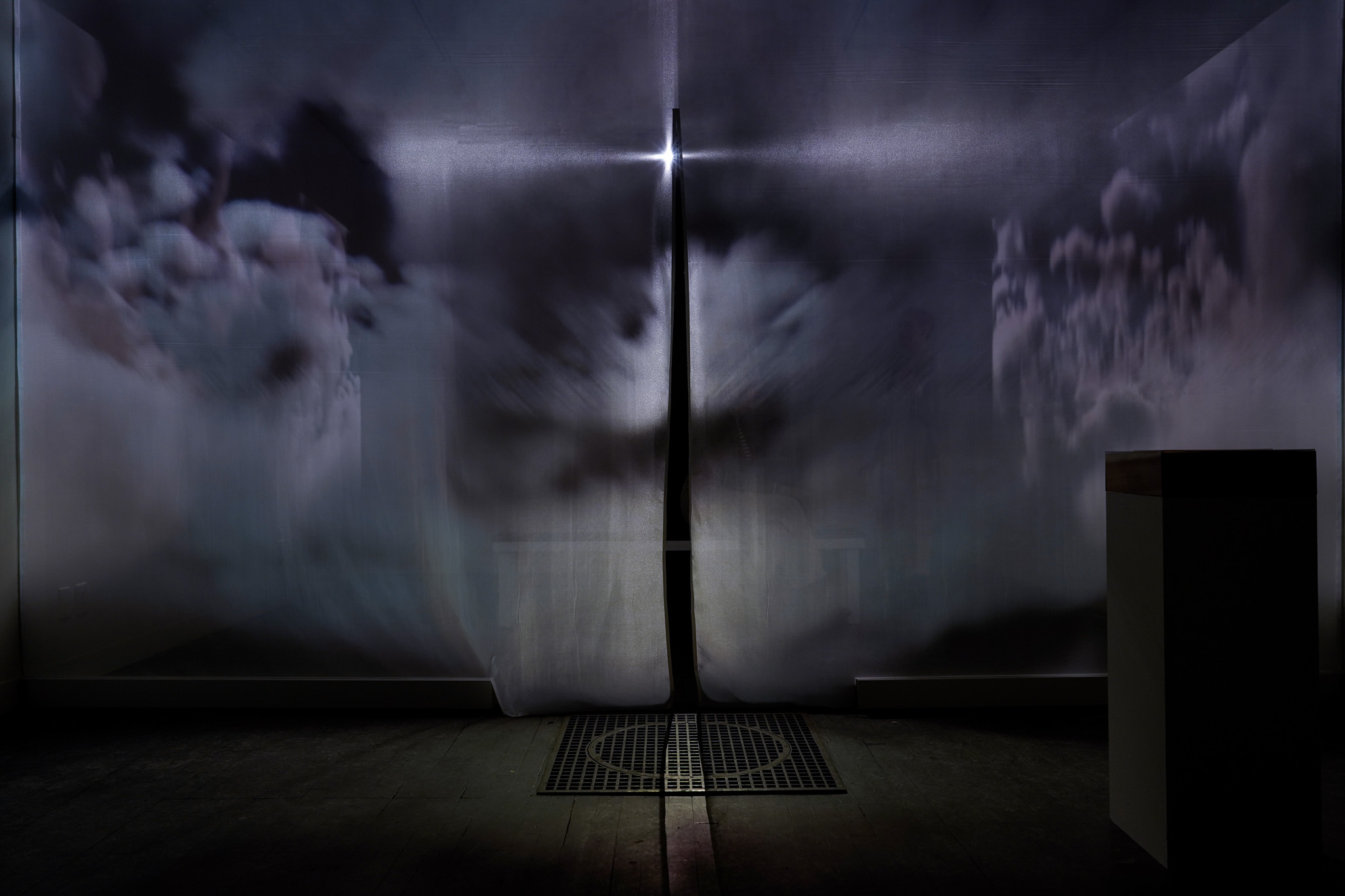
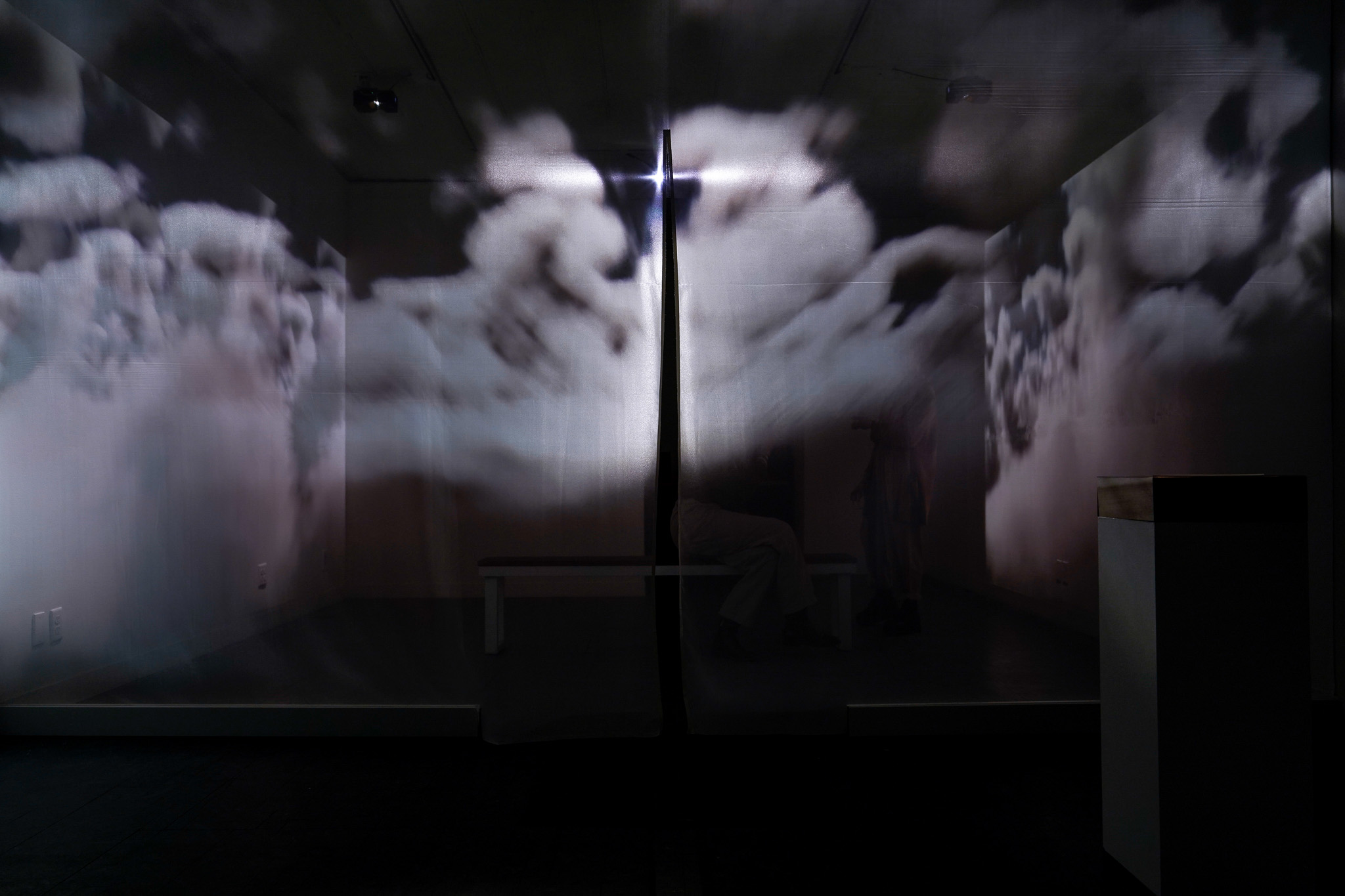
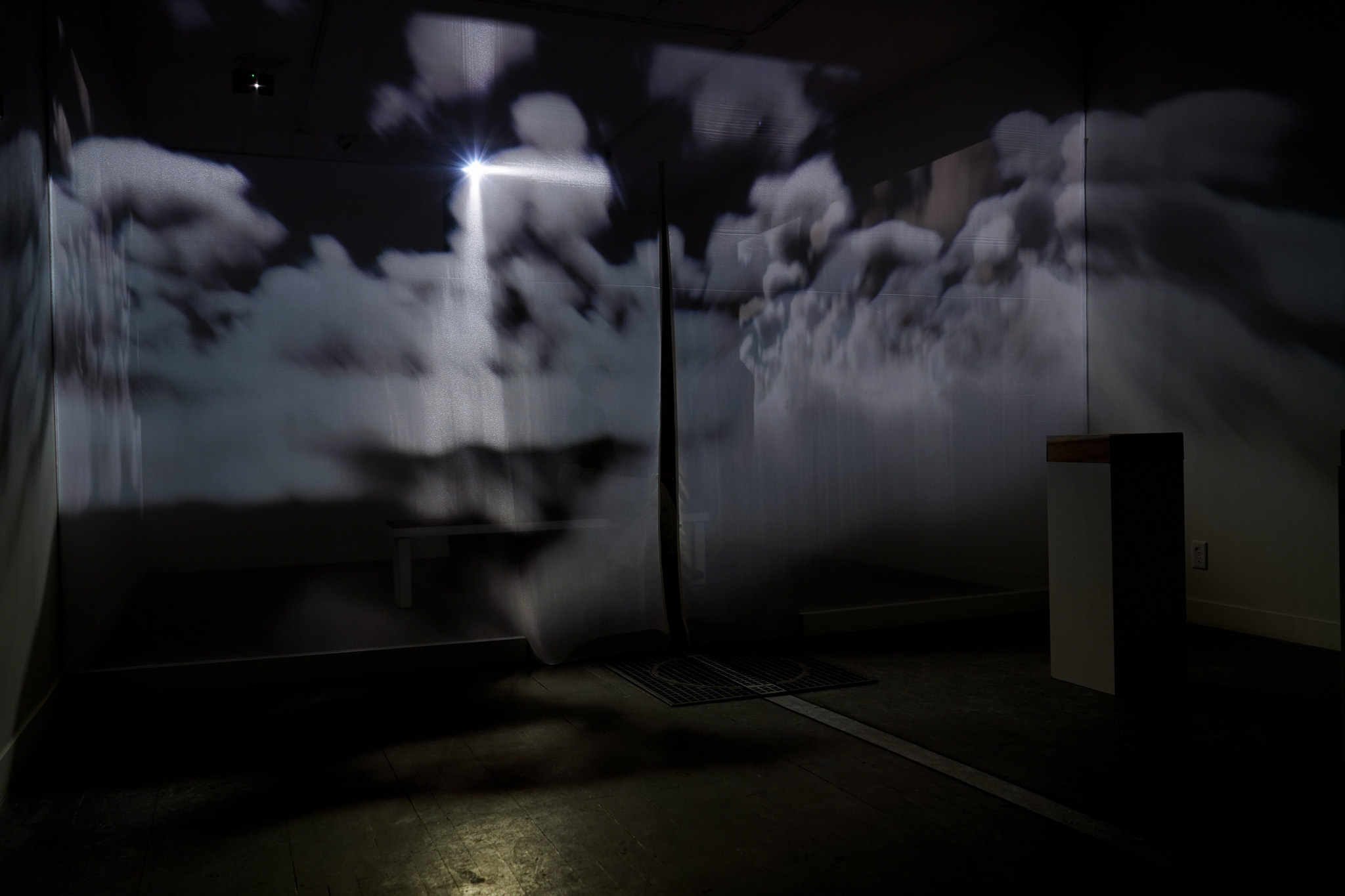
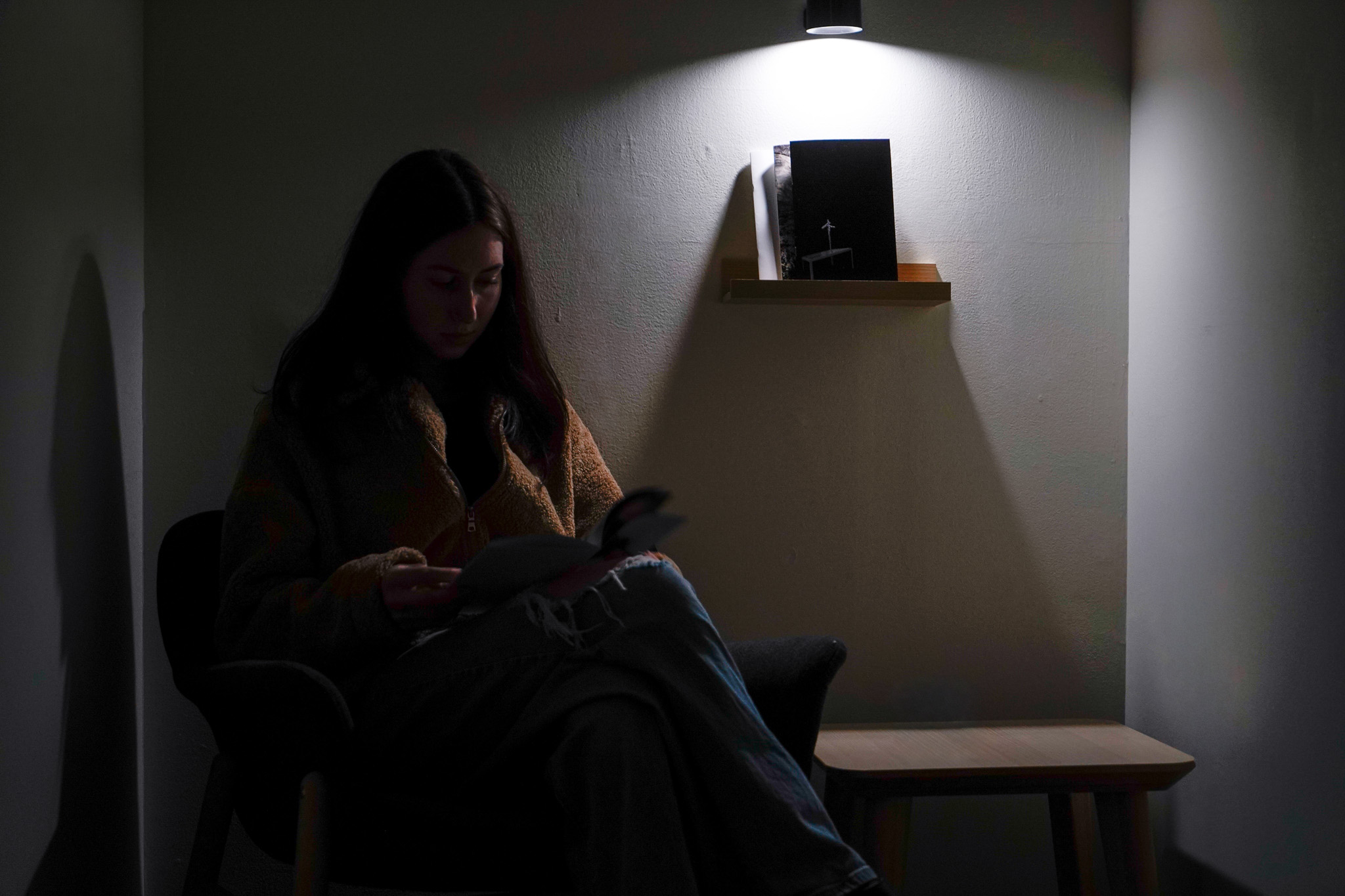
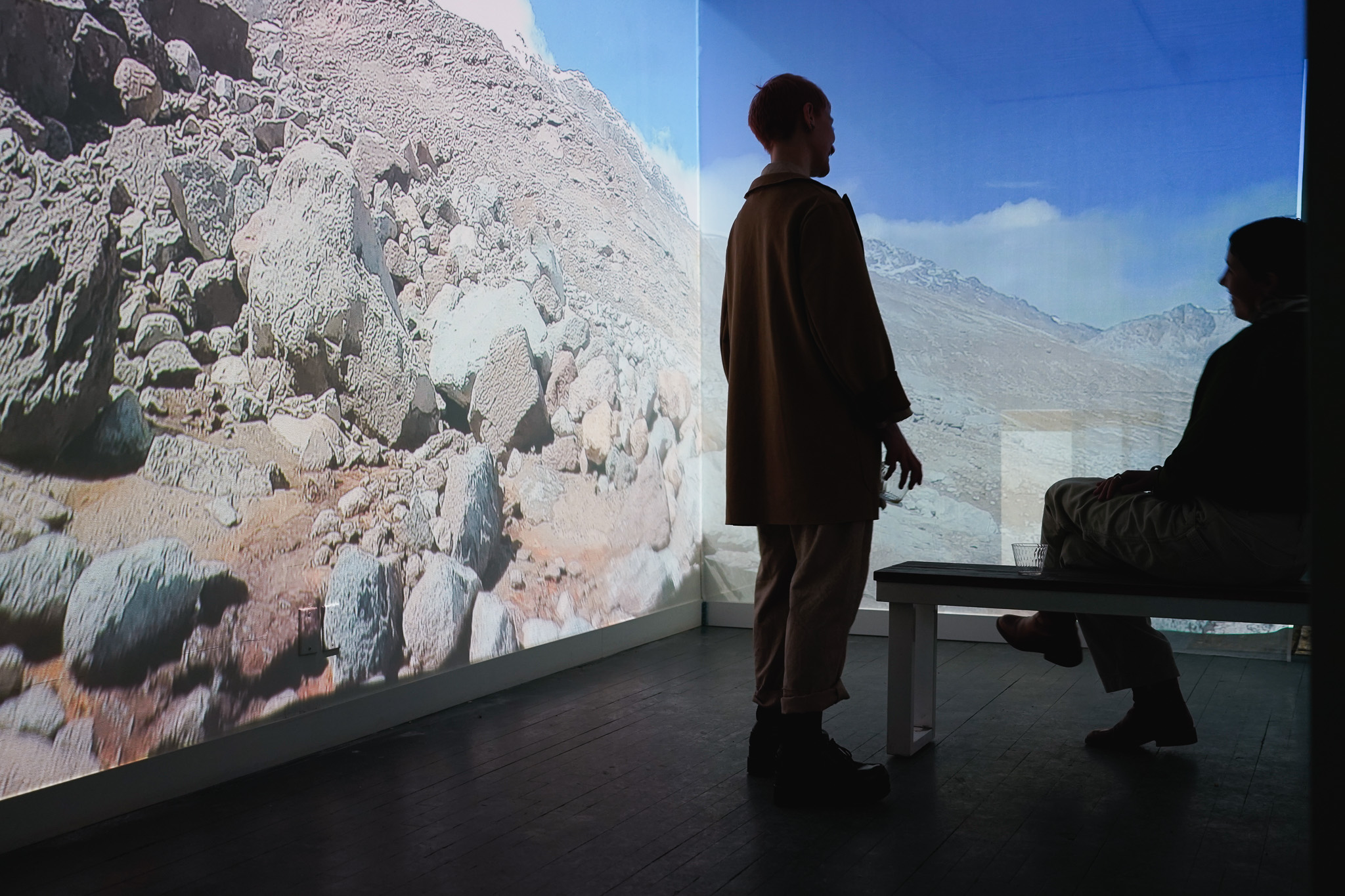
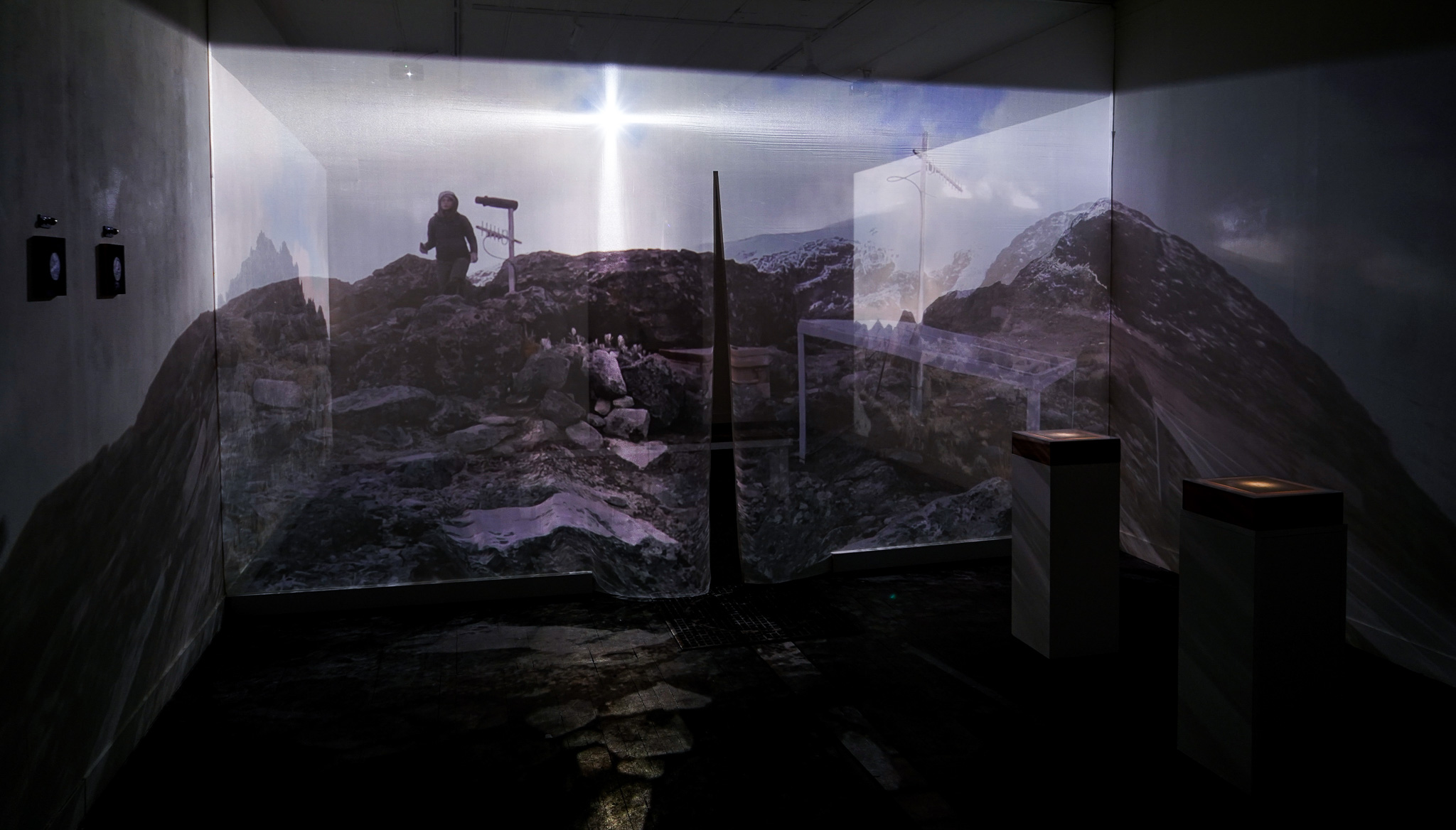
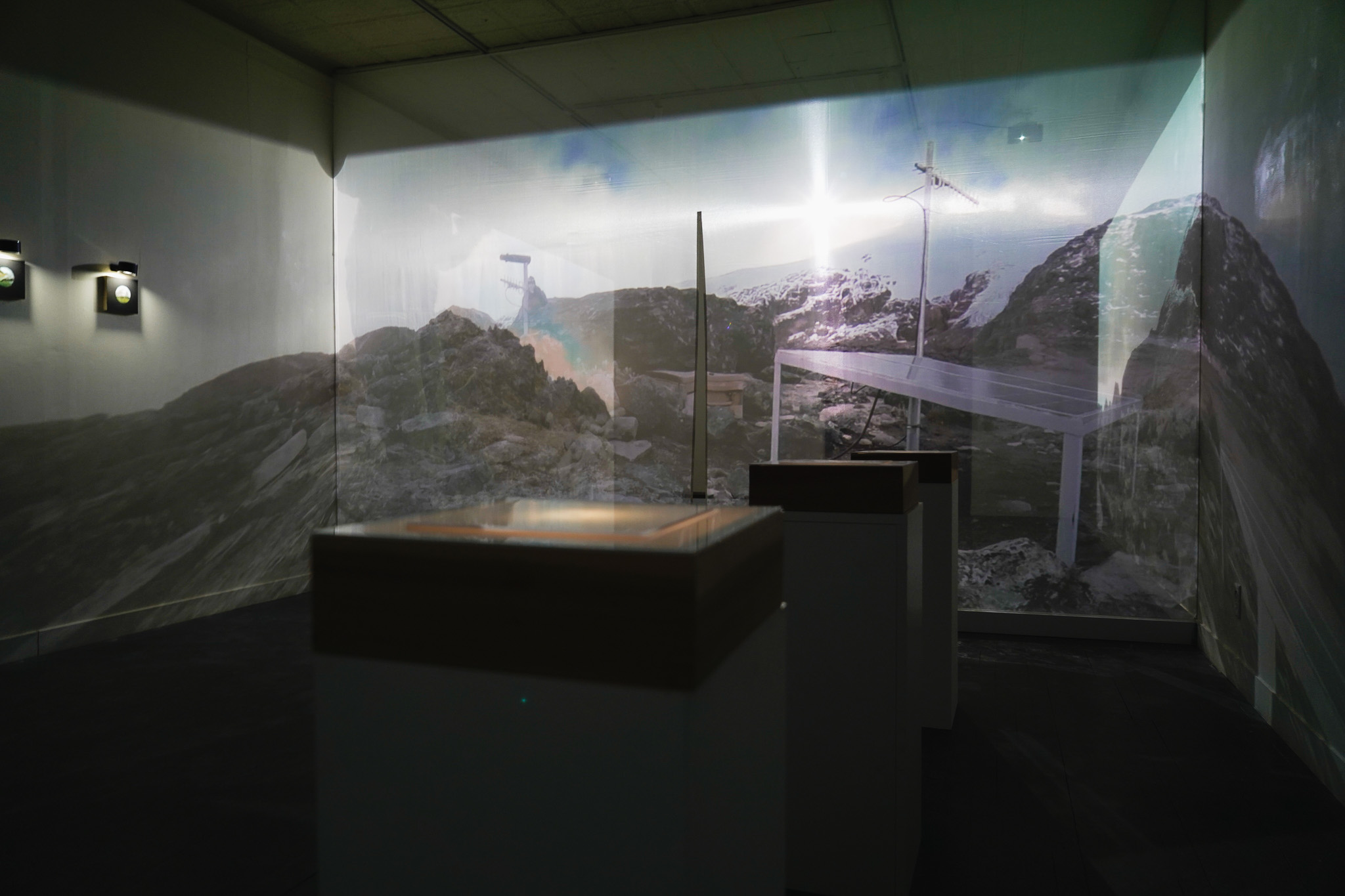
Accumulative Reduction was an exhibition exploring the collection and dissemination of scientific data — in particular what is lost or gained through the iterative process of translating quantitative data.
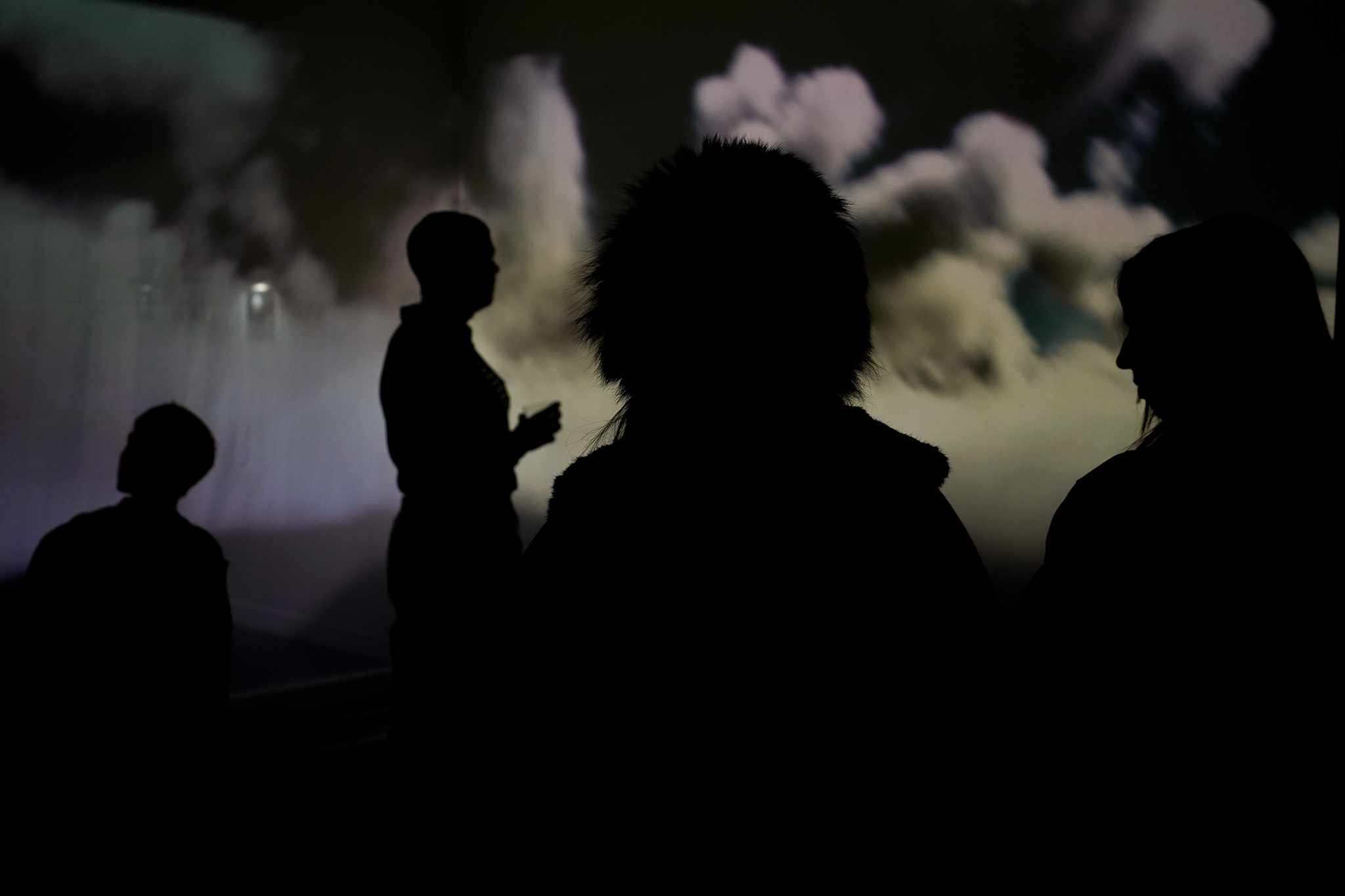
This exhibition was developed in collaboration with Betsy Ruth Byers and a team of environmental scientists studying glacial recession and watersheds in Cayambe, Ecuador.
The video, 3D models, and ephemera were collected during a field season in June 2023.
The video, 3D models, and ephemera were collected during a field season in June 2023.
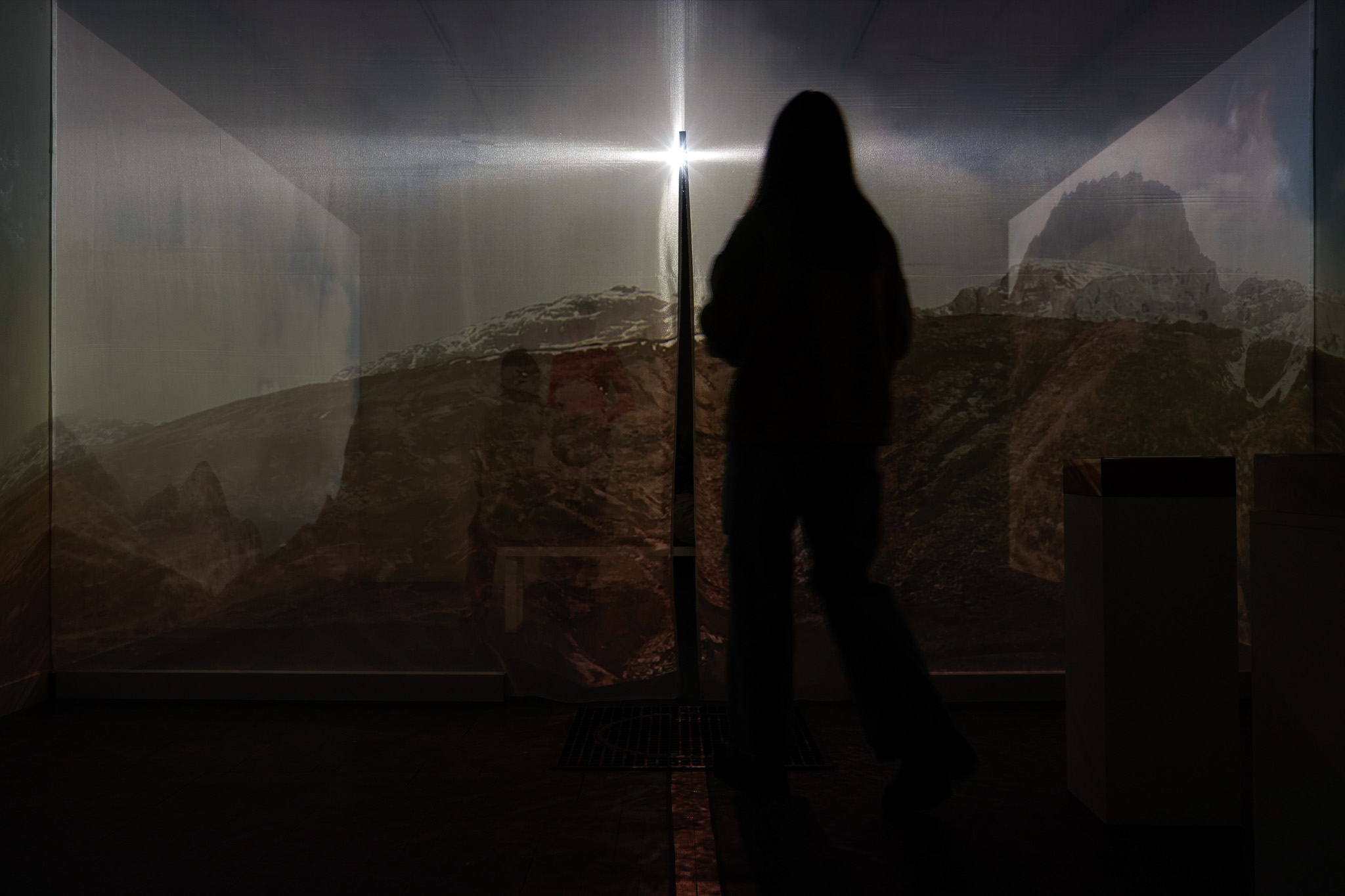
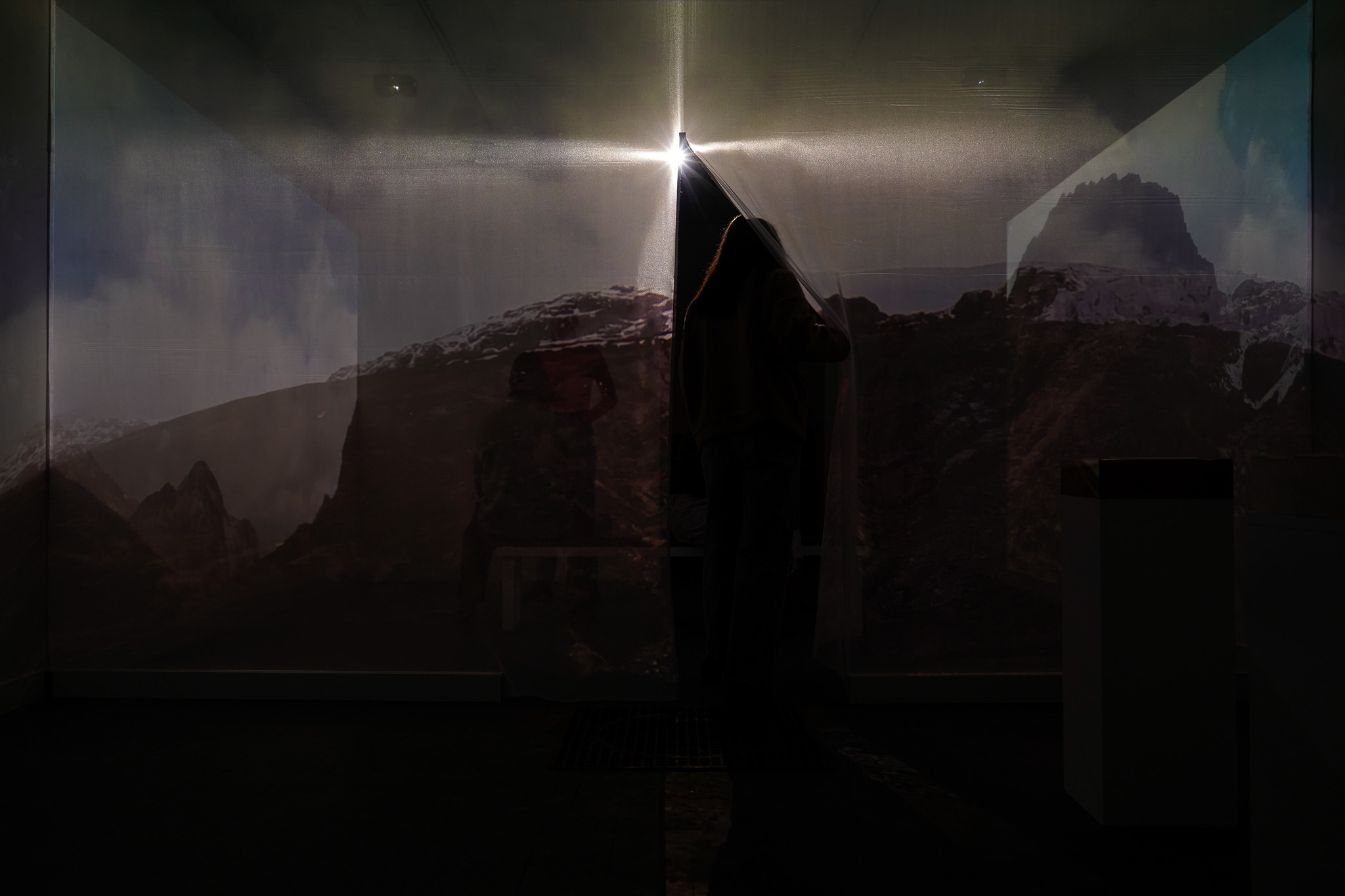
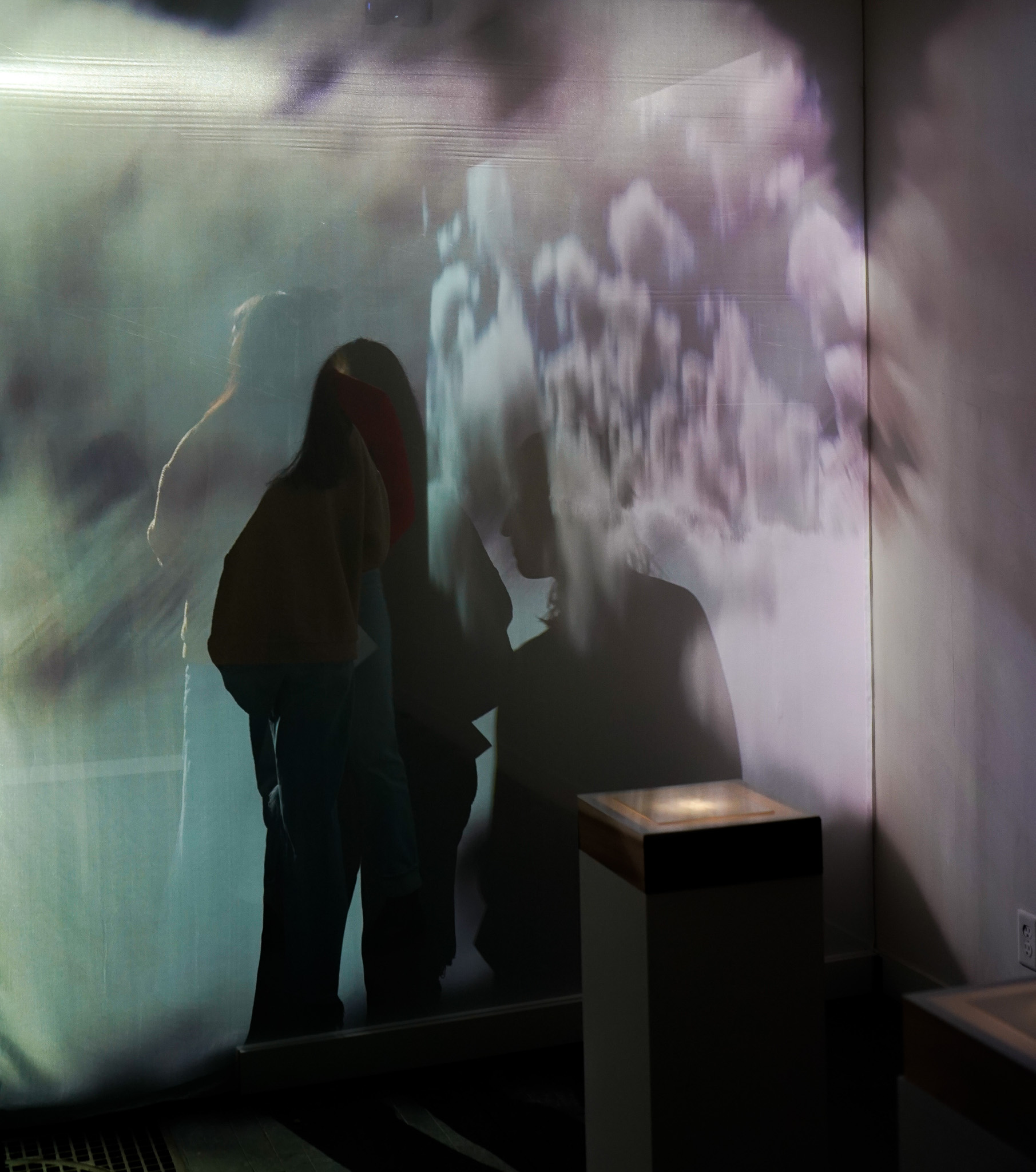
The work explored both the abstraction and elucidation that can occur when we reduce complex ecosystems to data.
Can all experience be reduced to data? What remains — or disappears — when data is stripped of its context?
Can all experience be reduced to data? What remains — or disappears — when data is stripped of its context?
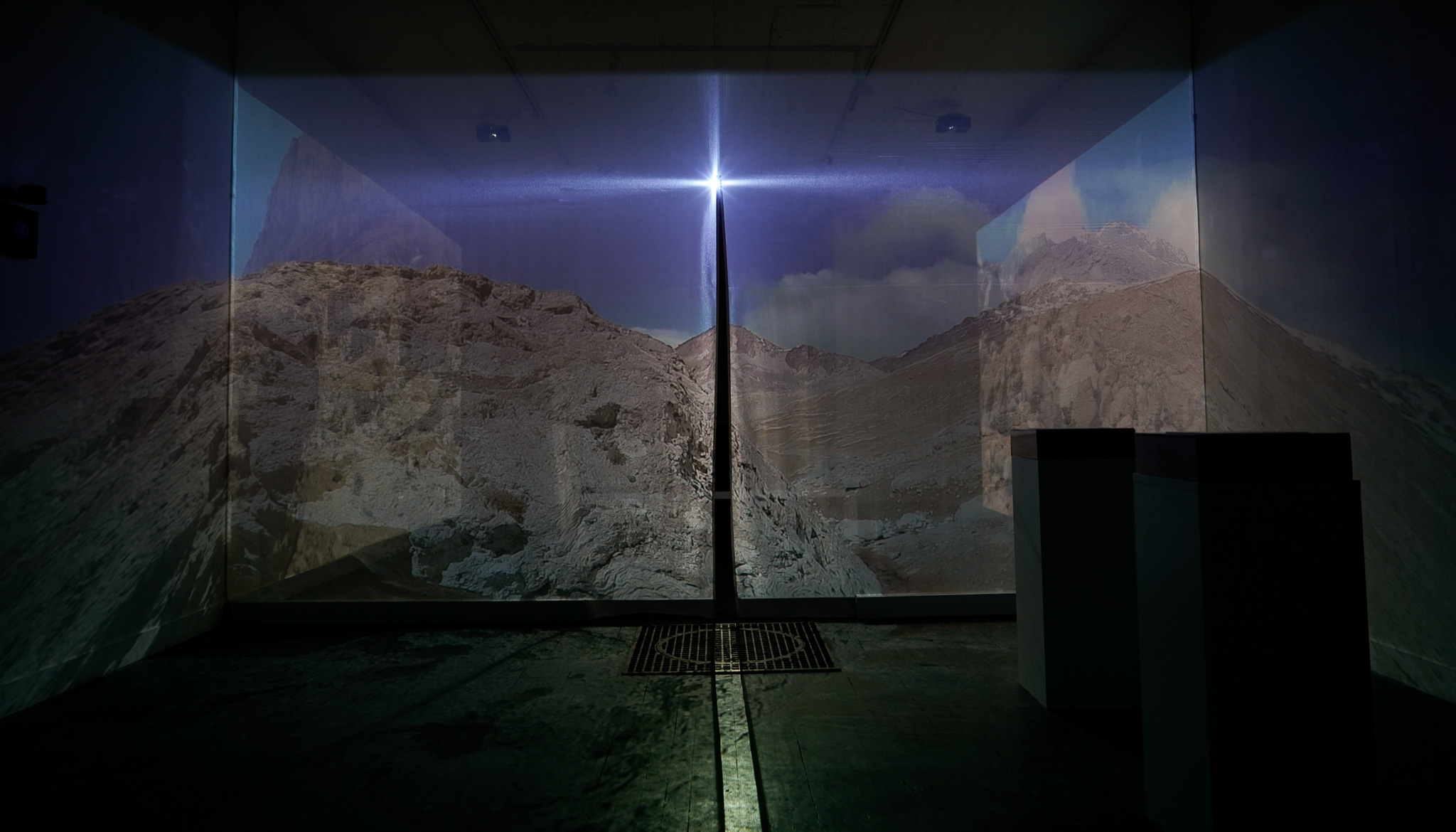
As artists, we were interested in the poetic relationship between objectivity and subjectivity. Human observation and the integration of multiple perspectives are essential in the scientific process, and perhaps this transient boundary is where we can begin to question our knowledge gaps.
When we remove sensorial experience from the equation and abstract ecosystems into datasets, in what ways do we risk becoming disconnected from the environments we study?
When we remove sensorial experience from the equation and abstract ecosystems into datasets, in what ways do we risk becoming disconnected from the environments we study?
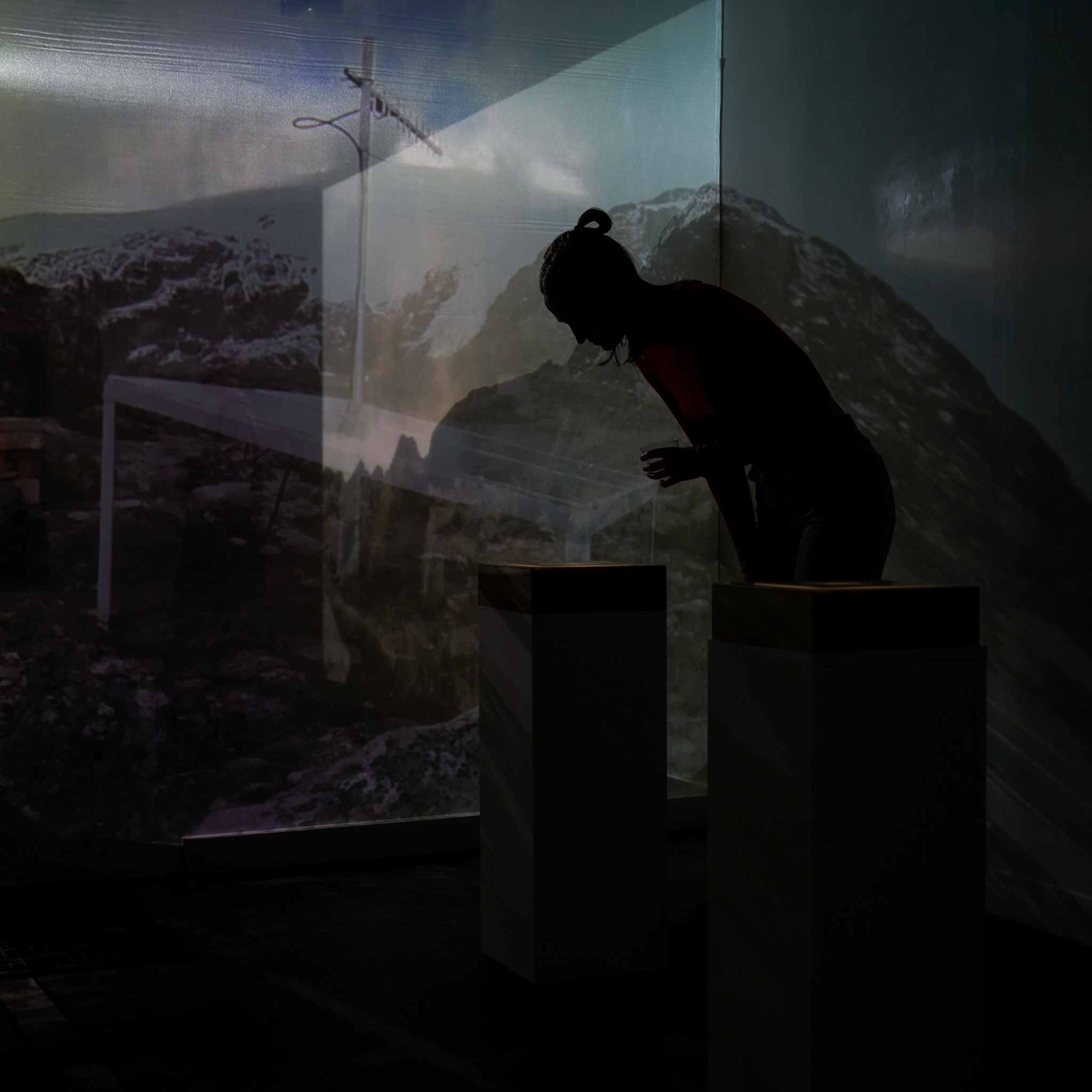
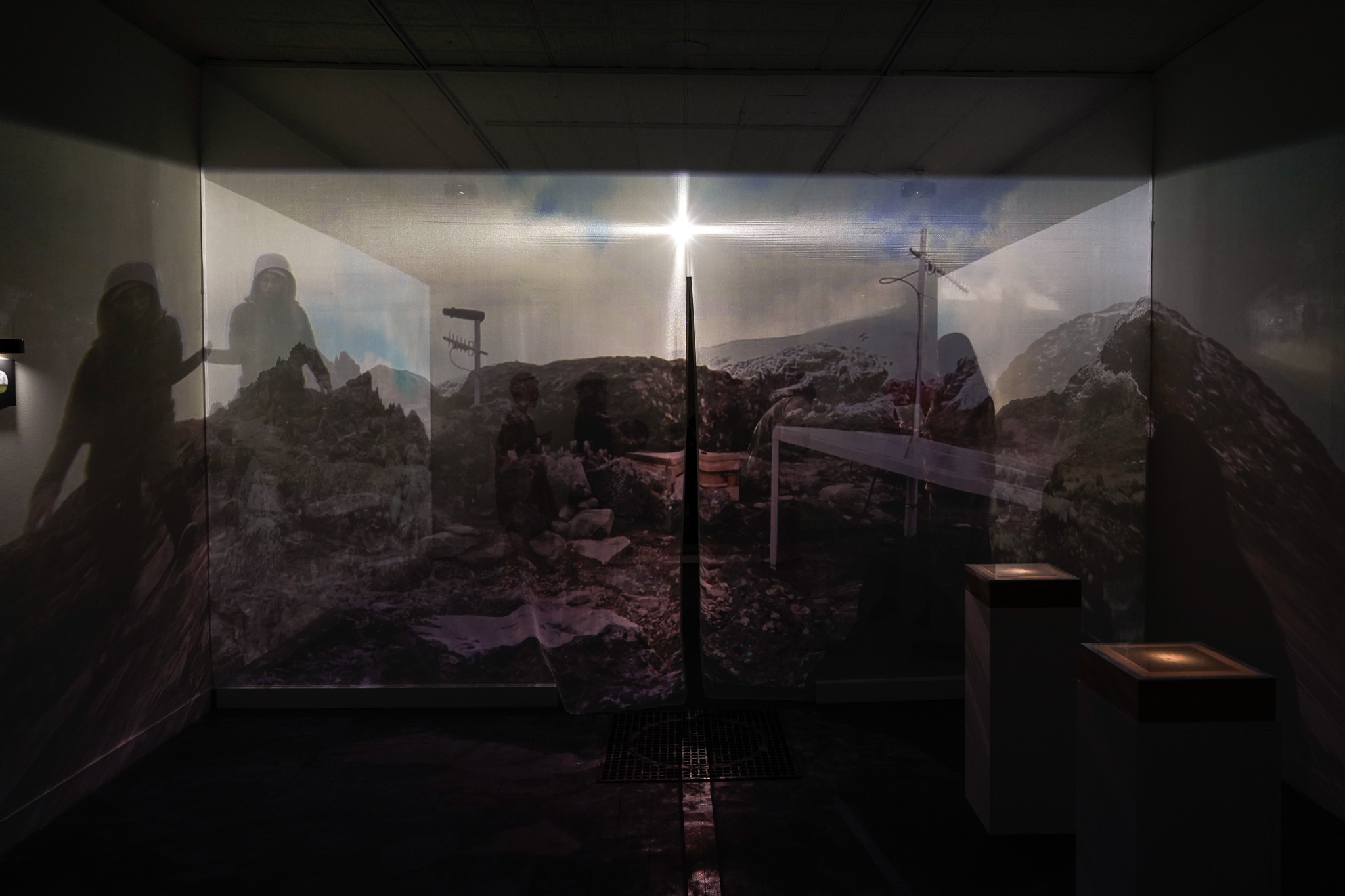
In these works, we reflected on our phenomenological experiences in the field and the inability to ever understand something fully.
As artists, we acknowledge that all data comes from something real.
The interdisciplinary team consists of principal investigators Dr. Joel Barker, Dr. Katherine Flanigan, Dr. Elizabeth Sumida Huaman, Dr. Jeff La Frenierre, Dr. Li Li, Dr. Crystal Ng, Dr. Diego Riveros-Iregui, Dr. David Rounce, Dr. Cara Santelli, and Dr. Daniel Stanton. Additional team members include or have included: Ally Jacoby, Andrea Cruz Bracamontes, Angela Douglass, Cora Hentges, Dr. Joel Baker, Maddie Banks, Dr. Tiago Bittencourt, Valerie Diana Smykalov, Jazmin Aspiazu, Dr. Xavier Zapata Ríos, Dr. Veronica Graciela Minaya Maldonado, Dr. Carla Paola Manciati Jaramillo, Bobby Schulz, Briana Jol, Dr. Leila Sabari, Evan Taylor, Jade Roland, Soren Sackreiter and Leah Nelson.
We greatly appreciate Corporación de Organizaciones Campesinas e Indígenas Juan Montalvo, which includes the Kichwa communities of Espiga de Oro, Pucará, Chaupiloma, El Verde, and San Jose, for allowing us to access their land, in addition to all of the support and hospitality they extended to us. We are deeply grateful to the staff at the Refugio Ruales Oleas Berge and Refugio Yanacocha for accommodating us. We want to specifically acknowledge Don Carlos, Don Juan, Alberto, and Cristian.
Any opinions, findings and conclusions or recommendations expressed in this material are those of the artists and do not necessarily reflect the views of the National Science Foundation.
We greatly appreciate Corporación de Organizaciones Campesinas e Indígenas Juan Montalvo, which includes the Kichwa communities of Espiga de Oro, Pucará, Chaupiloma, El Verde, and San Jose, for allowing us to access their land, in addition to all of the support and hospitality they extended to us. We are deeply grateful to the staff at the Refugio Ruales Oleas Berge and Refugio Yanacocha for accommodating us. We want to specifically acknowledge Don Carlos, Don Juan, Alberto, and Cristian.
Any opinions, findings and conclusions or recommendations expressed in this material are those of the artists and do not necessarily reflect the views of the National Science Foundation.